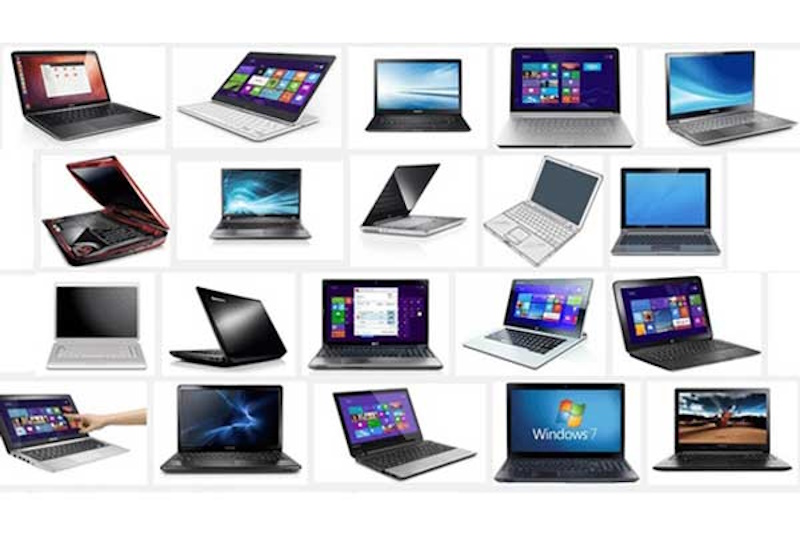
For decades, laptops have transformed from bulky machines with whirring fans into sleek devices that replace both work computers and entertainment centers. The world of technology never stands still, and manufacturers constantly compete for the right to be called the best. It's important to acknowledge that the best laptop brand is not a constant, but a dynamic concept depending on a multitude of factors. Let's try to understand how the perception of the "best" brand has changed over time, what influenced it, and who is currently at the top.
The Start of the Race
Early Heroes
In the 1990s, when laptops were just gaining popularity, the market was narrow but already competitive. IBM, Toshiba, and Compaq set the tone. Particularly noteworthy were:
- IBM ThinkPad — the benchmark for business laptops with its iconic keyboard and outstanding reliability.
- Toshiba Satellite — offered a balanced solution for both office and home use.
- Compaq — focused on affordability and actively expanded its model range.
During this period, the emphasis was on reliability and functionality, while design and convenience were secondary.
Technological Breakthroughs
The transition into the 2000s was marked by a series of revolutionary changes. The widespread emergence of Wi-Fi, the shift to energy-efficient processors, and new materials in laptop casings shaped different priorities. This period saw the rise of:
- Apple PowerBook, and later MacBook — brought premium design and a unique macOS ecosystem.
- Sony VAIO — surprised with its lightness, vibrant colors, and multimedia capabilities.
- HP Pavilion and Dell Inspiron — offered the widest selection in the mid-price segment.
In this period, the "best brand" was increasingly defined by innovation and user experience, not just specifications.
The Era of Design and Performance
Leaders of the 2010s
With the advent of ultrabooks and the widespread adoption of SSDs, many brands re-evaluated their strategies. Those who managed to adapt to the new realities rapidly approached the top:
- Apple — with the MacBook Air and Pro, established a strong position due to their lightness, Retina display, and overall stability.
- Dell — the XPS 13 model became the benchmark for Windows ultrabooks: aluminum build, narrow bezels, powerful internals.
- ASUS — with its ZenBook and ROG lines, proved capable of creating both stylish and gaming models.
- Lenovo — inheriting the ThinkPad, continued to hold the corporate segment, also offering interesting Yoga hybrids.
Users began to value the combination of performance, battery life, and convenience more. Against the backdrop of widespread digitalization and remote work, these parameters became paramount.
The Role of Marketing and Image
Who Commands Attention
A brand is not just hardware. Increasingly, the "best" is attributed to those with strong marketing, a community, and a recognizable style:
- Apple continues to entice with its cohesive ecosystem, where the MacBook becomes part of a seamless connection with iPhone and iPad.
- Microsoft with its Surface line emphasizes premium quality and hybrid functionality.
- Razer — gamer-centric style, aggressive design, and vibrant presentation create a sense of exclusivity.
All of this works to build loyalty, even if the device isn't the most outstanding in terms of "dry" specifications.
What Influences the Title of "Best"
Key Factors
To understand why the leadership changes hands, it's important to identify which parameters shape the perception of "best":
- Innovations — new formats, screens, materials.
- Reliability — stable operation and update support.
- Ecosystem — how easy and convenient it is to use the device with other gadgets.
- Marketing and image — presentation and positioning play no less a role than the internal components.
- Adaptation to trends — support for AI, ARM processors, hybrid devices.
Over time, priorities shift. What was key in 2015 might not concern a user today who is focused, for example, on battery life and eco-friendliness.
Reliable and "Fading" Brands
Long-Term Stability
Some brands historically demonstrate stability, while others flare up and disappear. For example:
- Lenovo and Apple consistently offer quality devices for over 15 years.
- Dell periodically renews and reinvents itself but does not lose trust.
- Sony and Samsung have receded in the laptop segment, shifting focus to other devices.
- Acer and MSI sometimes surge and sometimes lose ground, depending on their focus on specific niches.
It is precisely stability combined with a readiness to experiment that forms the long-term value of a brand.
What Awaits Us Next
The Future of the "Best" Brand
The laptop market is once again on the cusp of change. On the horizon are devices with AI accelerators, a shift to ARM architecture, dual-screen laptops, and neural network integration. And now, it won't just be "hardware" that determines the leader, but a brand's ability to build a complete user experience around the product. We expect a strengthening of positions for those who:
- actively integrate AI and machine learning;
- offer ultra-thin and modular solutions;
- adapt to the needs of new generations of users.
But first things first — history shows that leadership changes faster than it seems.
The Best Laptop Brand: Yesterday, Today, Tomorrow
Understanding the evolution of the best brands reveals that technology is only part of the equation. Trust, reputation, and the ability to be flexible and adapt play equally important roles. Today's leader may yield to a new one tomorrow. That's why it's not so much about finding a single "best" brand, but understanding which one will suit you right now — for your specific tasks and lifestyle.